Disaster Zone Safety Training

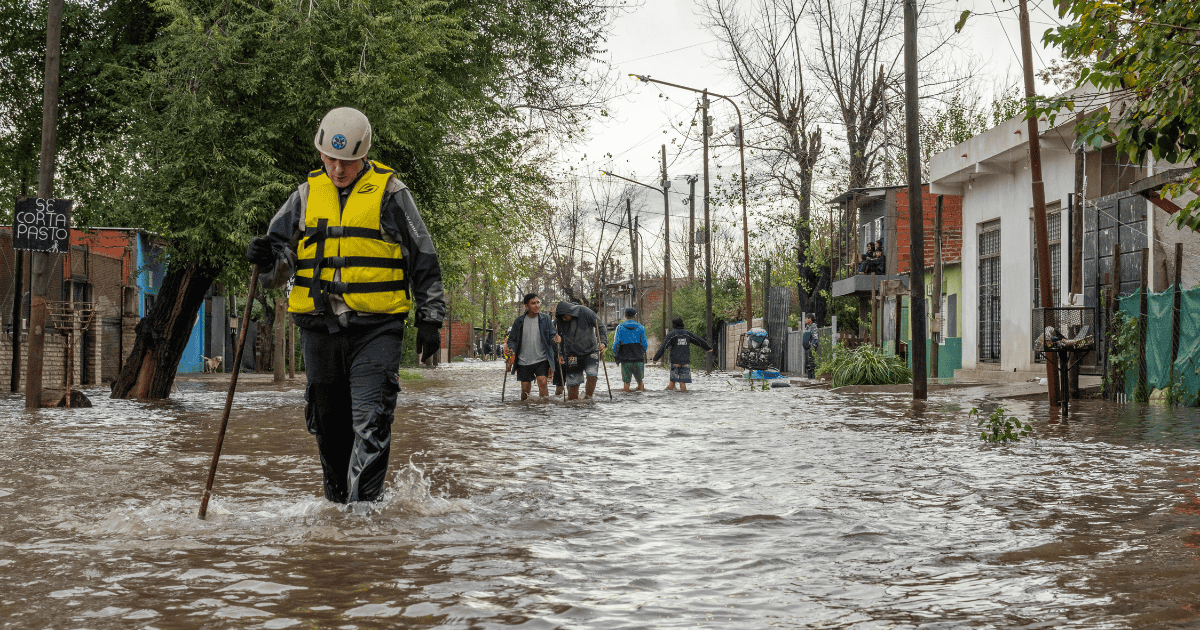
Flood Responder

When Disaster Strikes, Preparation Matters

Because Effective Disaster Work Starts With Safe People

What You’ll Learn

By the end of this course, you’ll be able to:

  • Recognise and assess hazards commonly found in disaster-affected environments
  • Apply practical personal safety measures to reduce vulnerability in the field
  • Communicate effectively under pressure using reliable field procedures
  • Move more safely through damaged, disrupted, or restricted environments
  • Work more effectively alongside authorities, responders, and affected communities
  • Provide immediate casualty care relevant to austere disaster settings
  • Prepare for deployment with greater awareness of equipment, planning, and risk controls
  • Operate with greater confidence in fast-moving, high-pressure environments


Safe Disaster Operations Begin Before Deployment


Who Should Take This Course

  • Journalists and media teams covering disasters and humanitarian crises
  • NGOs and humanitarian organisations working in emergency response
  • Government personnel and deployment teams
  • Technical specialists and assessment teams entering affected areas
  • Faith-based organisations and mission teams operating in disaster zones
  • Corporate or contracted personnel supporting disaster response or recovery
  • Medical, welfare, or community support teams working in disaster environments
  • Any organisation with duty of care responsibilities for people entering unstable disaster environments

If your role takes you into disaster-affected areas, this course gives you the preparation needed to operate more safely and effectively.
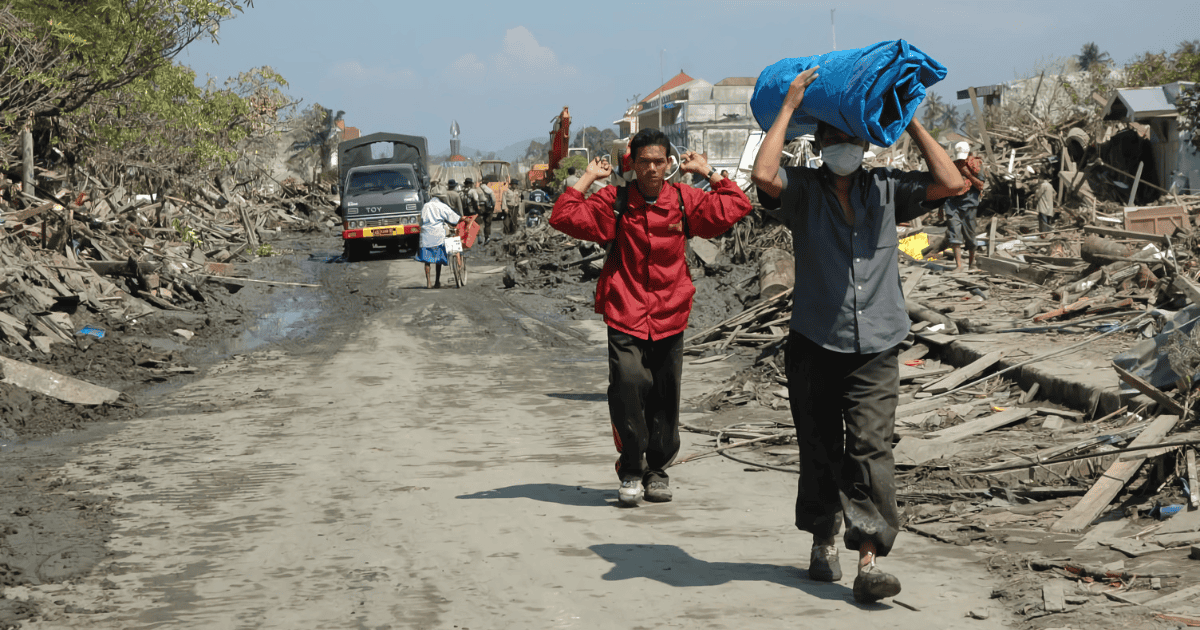
Disaster Relief

What’s Inside the Course

Develop the awareness, mindset, and personal safety habits needed to operate in unstable disaster settings. You’ll learn how to recognise danger early, manage your profile, and make sound decisions under pressure.

Learn how to communicate clearly and reliably when infrastructure is degraded and pressure is high. This includes check-ins, emergency reporting, radio use, loss-of-comms procedures, and field-to-team communication.

Understand the main hazards found in disaster zones, including damaged infrastructure, contamination, unstable ground, disease risk, and secondary threats. You’ll learn how these hazards affect safety, movement, and operations.

Focus on the practical realities of working in disaster-affected environments. This includes protective equipment, grab bag preparation, access considerations, and maintaining operational effectiveness when normal systems are disrupted.

Develop safer movement practices for damaged, restricted, or unpredictable environments. You’ll cover journey planning, route selection, vehicle considerations, and movement discipline in affected areas.

Learn how to operate professionally alongside emergency services, government authorities, humanitarian actors, and affected communities. This module focuses on coordination, access, communication, and effective field engagement.

Gain practical skills to manage medical emergencies in austere disaster settings. You’ll learn how to respond to serious injuries, manage immediate priorities, and support casualties until evacuation or higher-level care is available.

The course ends with a realistic disaster deployment scenario where participants must apply their skills under pressure. Hazard assessment, communication, movement, coordination, and emergency response are all tested in a dynamic field environment.

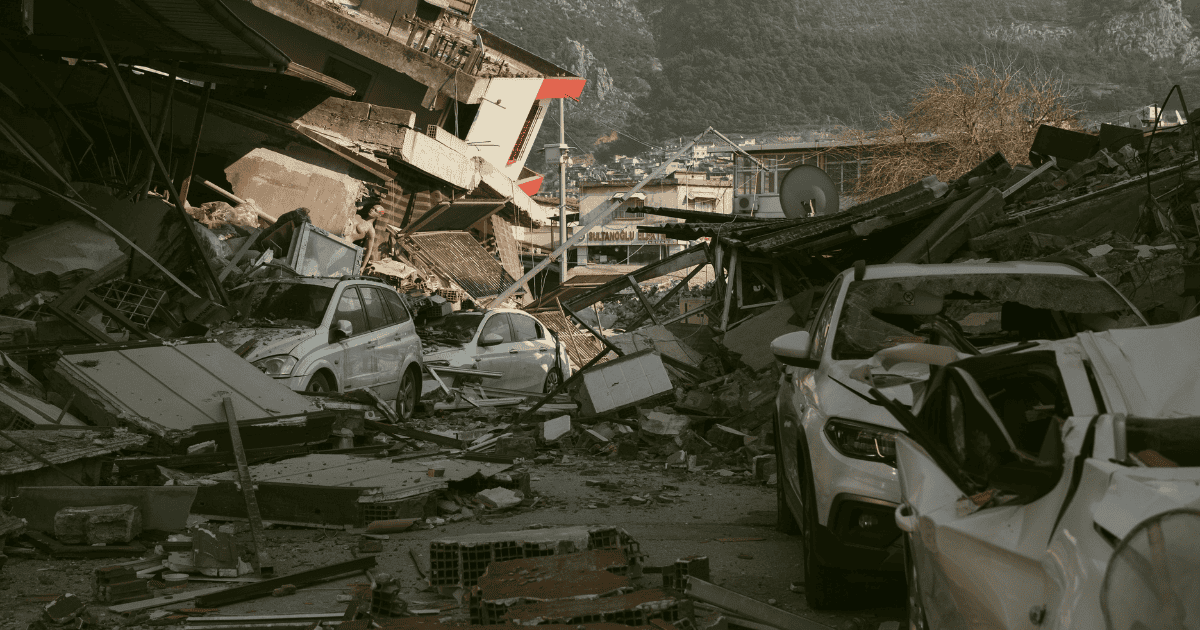
Earthquake Debris

Course Features:

  • 5-Days of Intensive Training
  • Practical, Scenario-Based Learning
  • Training Grounded in Realistic Disaster Contexts
  • Pre-course Blended eLearning Pathway
  • Expert Instructors with Operational Experience
  • Certificate of Completion & Record of Learning
  • Airport Pickup & Drop-Off Provided

A Practical Training Solution for Organisations Operating in Disaster Zones

Our 5-Day Disaster Zone Safety Training course helps organisations strengthen preparedness, reduce avoidable risk, and improve operational capability in disaster-affected environments.

Whether personnel are deploying to assess damage, deliver aid, gather information, support communities, or maintain essential services, they need practical preparation to stay safe, make sound decisions, and keep operating under pressure.

The course can be tailored to suit different disaster contexts, hazards, and operational environments.

You’ll Walk Away With:

  • Stronger hazard awareness and field risk assessment capability
  • Greater confidence operating in damaged or disrupted environments
  • Improved decision-making under pressure
  • Practical communication and movement skills
  • Emergency casualty care capability
  • A more prepared team and stronger duty of care

Designed for Real-World Application

This is not classroom-only training.