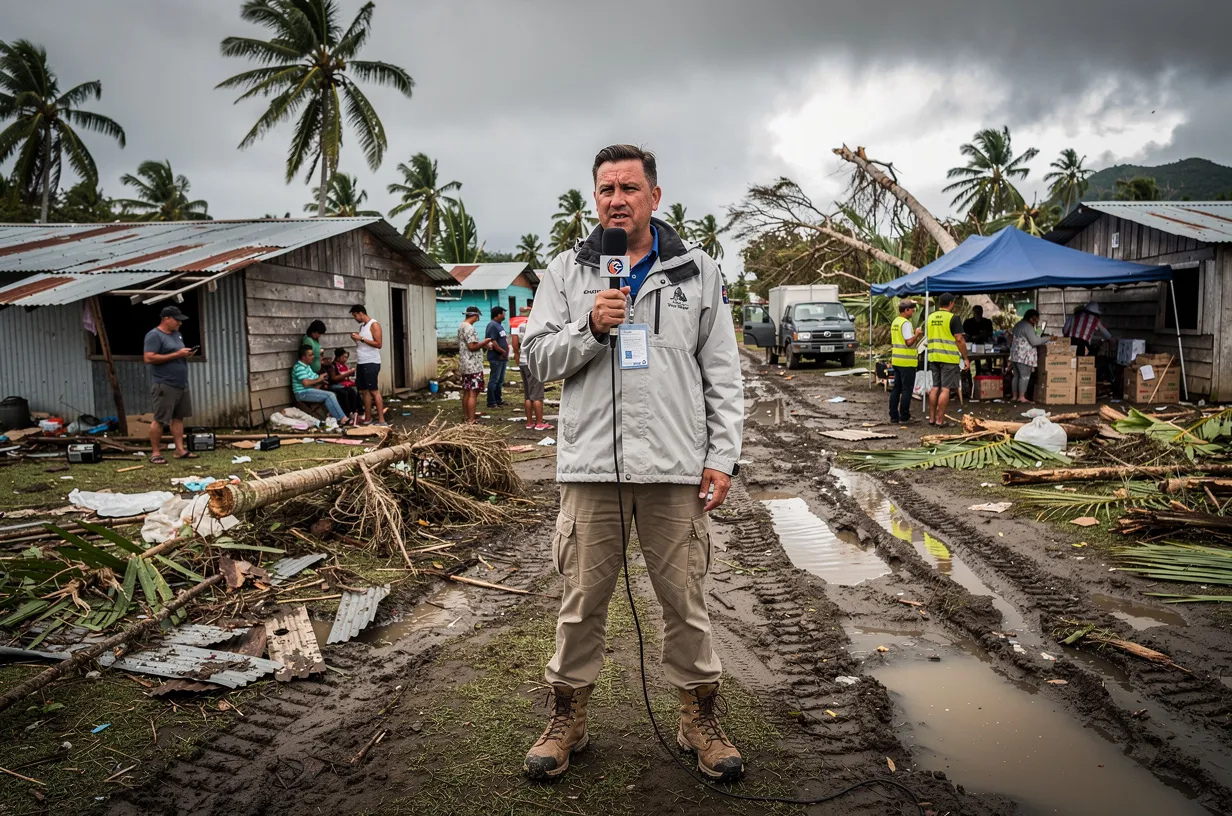
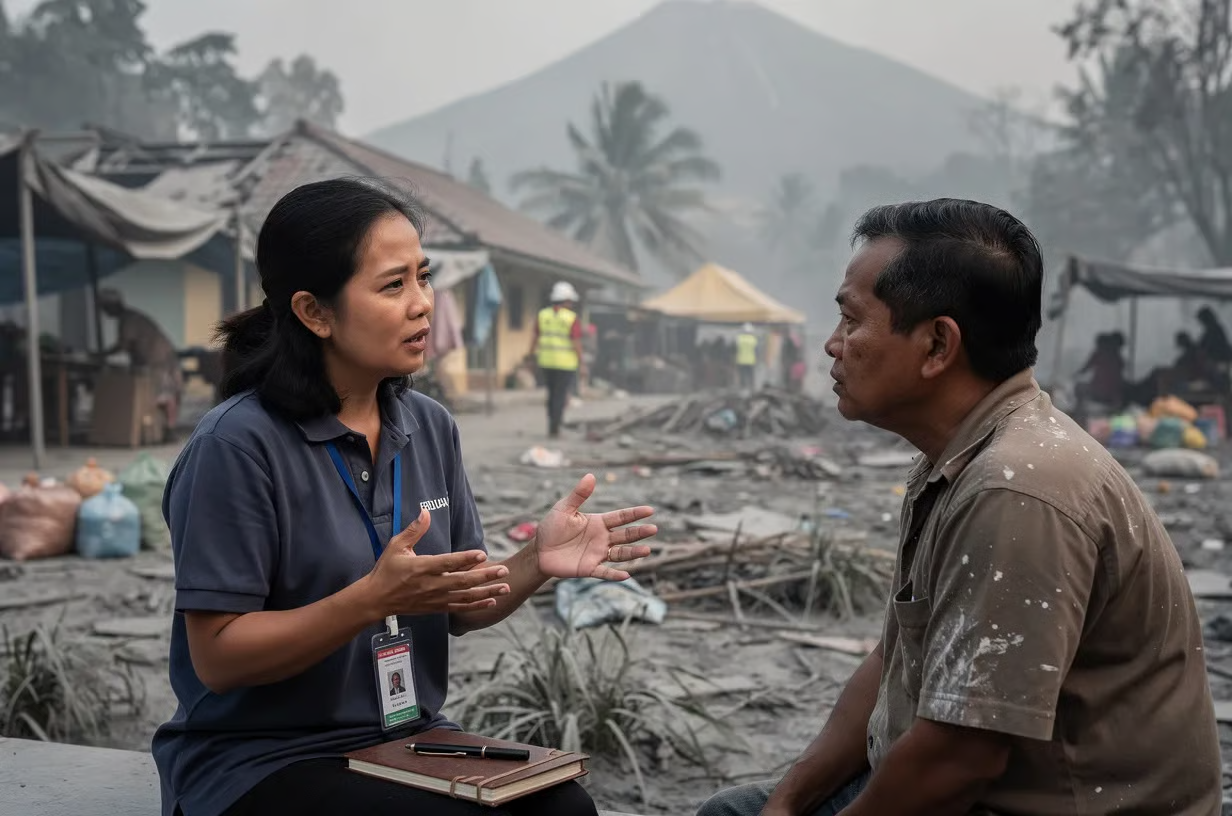
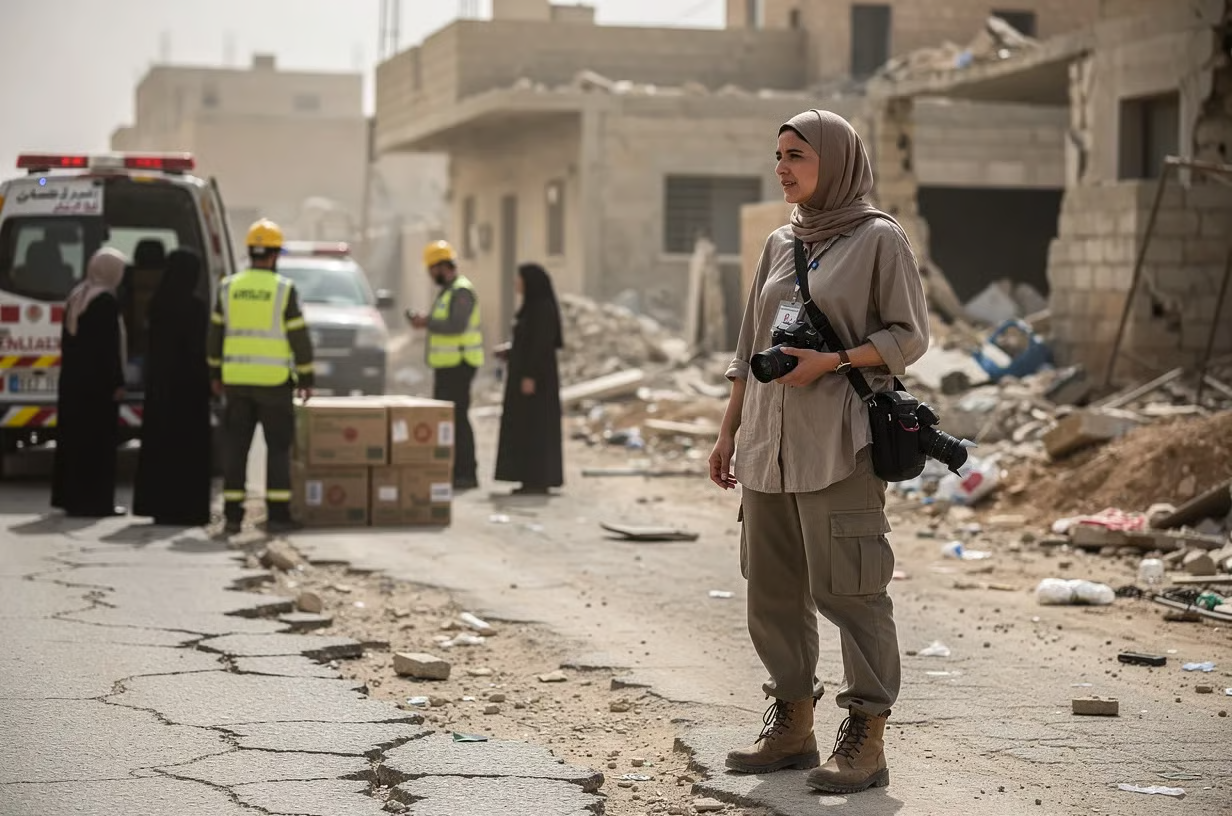
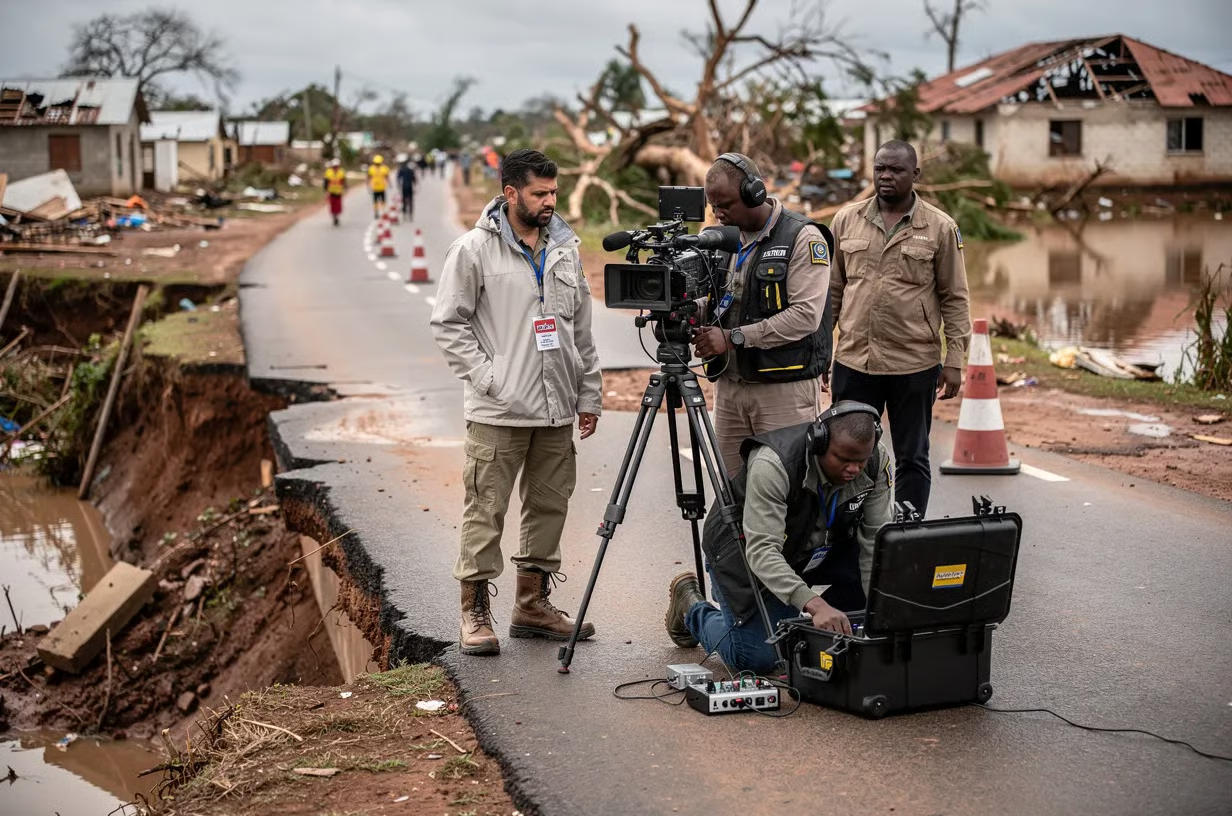
Prepare journalists and media teams to report safely, ethically, and effectively from disaster-affected environments.
The Disaster Journalism: Reporting Safely and Ethically online course gives journalists, editors, producers, camera operators, and media teams a structured foundation before reporting from disaster-affected areas.
Disaster reporting often places teams under pressure. Information changes quickly, communications may be unreliable, affected communities may be distressed, and decisions made in the field can have real consequences.
This course helps media professionals prepare for those conditions with practical guidance on pre-deployment planning, field safety awareness, verification, ethical reporting, coordination, and psychological resilience.
Responsible reporting starts before the assignment begins.
Apply pre-deployment planning and risk assessment principles before disaster reporting assignments.
Evaluate safety, ethical, and operational considerations in disaster-affected environments.
Analyse developing situations to identify reporting priorities, information gaps, and potential risks.
Apply verification techniques to assess sources, social media content, images, video, and real-time updates.
Demonstrate ethical judgment when reporting on affected individuals, vulnerable people, communities, and traumatic events.
Coordinate more effectively with authorities, responders, communities, and editorial teams during disaster coverage.
Recognise the psychological demands of disaster reporting and apply appropriate self-care and resilience strategies.
Produce reporting that is accurate, responsible, sensitive, and useful to audiences during fast-moving emergencies.
Disaster reporting carries responsibility before, during, and after the story.
Who Should Take This Course
This course is designed for media professionals and organisations preparing for disaster-related assignments, including:
Journalists and media teams operating in conflict or disaster zones
Journalists reporting from disaster-affected environments
Editors and producers supporting field teams from the newsroom
Camera operators, videographers, and broadcast technicians
Freelance journalists working in disrupted or high-risk settings
Newsroom managers responsible for staff preparation
Journalism schools and media training organisations
NGO communications teams covering crisis or disaster response
Media organisations sending staff into affected communities
Government or public information teams involved in crisis communication
This course can be completed by individuals, but it is especially useful for organisations that need a structured baseline before sending staff into disaster-affected environments.
Understand the unique demands of disaster reporting, including fast-changing conditions, public pressure, affected communities, operational disruption, and the need for safe, ethical, and accurate reporting.
Prepare properly before the assignment begins. This lesson covers the planning considerations media teams should think through before entering disaster-affected environments, including assignment readiness, team preparation, communication, equipment, and support arrangements.
Learn how to assess changing field conditions, identify hazards, recognise exposure, and make better decisions about movement, access, safety limits, and operational risk during disaster-related assignments.
Understand why evacuation planning matters before entering the field. This lesson covers evacuation triggers, safe routes, relocation options, emergency contacts, and what teams should consider if conditions deteriorate.
Explore the ethical responsibilities involved in reporting around affected people and communities. This includes dignity, consent, privacy, vulnerable people, children, grief, trauma, and avoiding unnecessary harm.
Examine the pressure to report quickly while maintaining accuracy and public safety. This lesson focuses on the risks of rushing information, using uncertain details, and publishing updates that may influence public behaviour.
Prepare for the practical realities of reporting on scene, including working around disruption, managing access, interacting with affected people, maintaining situational awareness, and coordinating with the newsroom.
Learn how to approach verification when information is incomplete, conflicting, or changing. This includes source checks, social media content, images, video, rumours, and responsible wording when facts are still developing.
Understand the role journalism can play before disasters occur. This lesson covers risk awareness, preparedness messaging, community education, and reporting that helps audiences understand hazards before a crisis unfolds.
Explore how journalists and media teams may interact with emergency services, local authorities, NGOs, community leaders, communications teams, and other stakeholders while maintaining professional independence.
Recognise the emotional and psychological demands of disaster reporting. This lesson covers stress, trauma exposure, fatigue, peer support, post-assignment reflection, and practical self-care considerations.
Complete the final course exam to check understanding across the key areas of disaster journalism readiness, including planning, safety, ethics, verification, coordination, and resilience.
Course Features:
Online self-paced learning
Designed for journalists, editors, producers, and media teams
Scenario-based lessons and decision points
Certificate of Completion upon passing the final assessment
Approx. 1.5–2 hours of guided learning
Supports individual and team enrolments
Can be paired with practical Disaster Zone Safety Training
A structured baseline before sending media teams into disaster-affected environments
Ask About Team Access
Preparing multiple staff for disaster-related assignments?
If your organisation needs to train a group of journalists, producers, camera operators, or communications staff, we can discuss team access options instead of individual enrolments.
This may include group enrolment, bulk access, a licence-style arrangement, live team briefings, or practical Disaster Zone Safety Training.
Complete the form below and we’ll get back to you to discuss the most suitable option for your team.
Disaster Journalism Team Access Enquiry
Course Access Options
CHOOSE THE RIGHT OPTION
Individual Online Course
$199
Online, self-paced access
Approx. 1.5–2 hours of guided learning
Final course exam
Certificate of completion upon passing
Suitable for individual journalists, producers, editors, or media professionals